
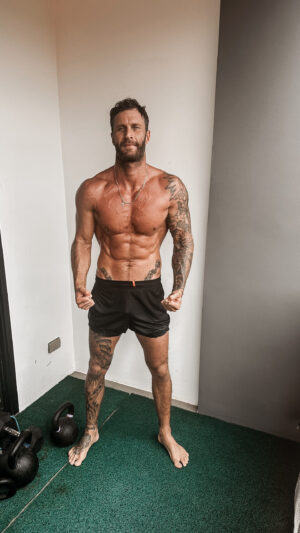
Can You Build Muscle Without a Gym? The Science Says Yes
Quick Answer
Yes, you can absolutely build muscle without a gym. Muscle growth depends on progressive overload, adequate protein, recovery and consistency—not where you train. For most people, bodyweight exercises, kettlebells and a structured training plan provide more than enough stimulus to build lean muscle and improve overall fitness.
Why This Question Matters
One of the biggest myths in the fitness industry is that building muscle requires expensive gym memberships, rows of machines and hours spent lifting weights.
It’s an idea that’s been marketed for decades.
The reality is much simpler.
Your muscles don’t know whether you’re training in a commercial gym, your garage or your living room.
They only respond to the challenge you place on them.
That’s good news if you’re busy, travel frequently or simply don’t enjoy crowded gyms.
It means you can stop focusing on where you train and start focusing on how you train.
Muscle Growth Comes From Progressive Overload
Muscles grow because they’re forced to adapt.
This process is called progressive overload.
Progressive overload means gradually increasing the challenge over time.
You can do that by:
- Adding reps.
- Increasing resistance.
- Slowing the tempo.
- Improving technique.
- Reducing rest periods.
- Progressing to more difficult exercise variations.
Notice something?
None of those require a gym.
A push-up today can become a deficit push-up tomorrow.
A bodyweight squat becomes a Bulgarian split squat.
A kettlebell goblet squat becomes heavier over time.
Your muscles respond to increasing demands—not expensive equipment.
Why Bodyweight Training Works
Many people assume bodyweight training is only for beginners.
That couldn’t be further from the truth.
Exercises like:
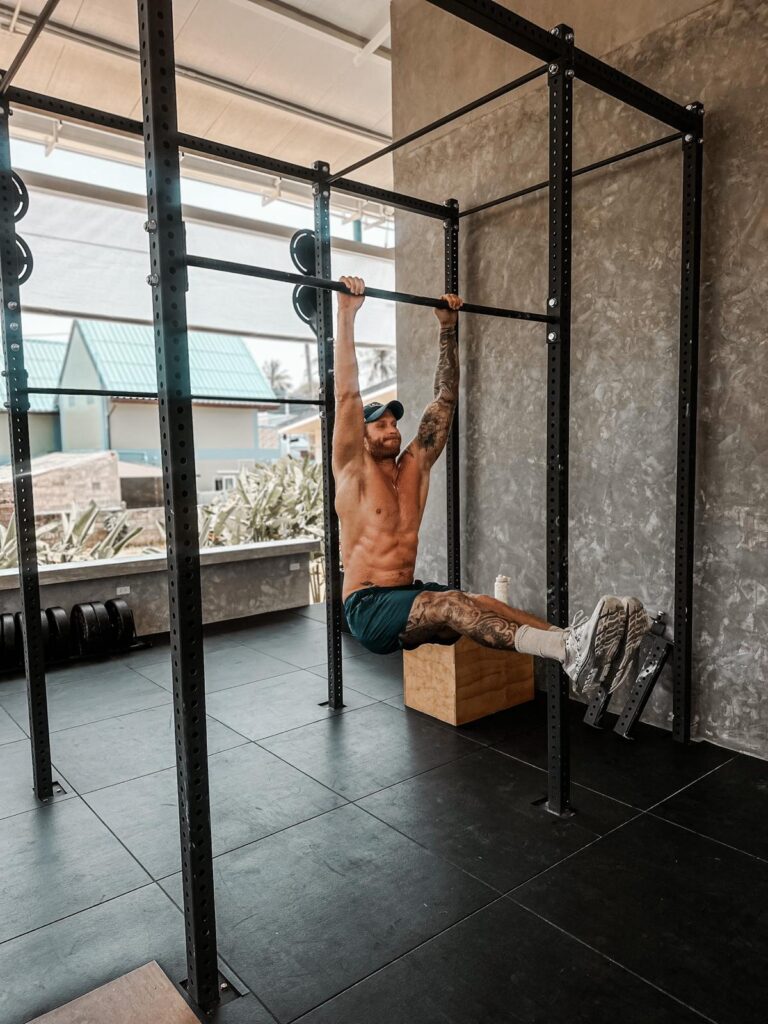
- Pull-ups
- Push-ups
- Dips
- Pistol squats
- Handstand push-ups
are incredibly demanding when performed with good technique.
In fact, many advanced athletes continue using bodyweight movements throughout their careers because they build relative strength, control and joint stability alongside muscle.
When programmed correctly, bodyweight training can challenge every major muscle group.
Kettlebells Add Almost Unlimited Progression
If I could recommend just one piece of equipment, it would be a kettlebell.
A single kettlebell allows you to perform:
- Squats
- Deadlifts
- Swings
- Presses
- Rows
- Carries
- Lunges
Combined with bodyweight movements, you’ve got everything you need to build a strong, athletic physique.
That’s exactly why I built Bodyweight Built around minimal equipment rather than expensive gym machines.
Most people don’t need more equipment.
They need better programming.
The Biggest Mistake People Make
Most people don’t fail because they’re training at home.
They fail because they never follow a structured progression.
They jump between YouTube workouts.
They change exercises every week.
They chase soreness instead of progress.
Consistency beats novelty every time.
A simple plan followed for six months will always outperform the “perfect” workout you abandon after two weeks.
Common Mistakes
Thinking More Equipment Equals Better Results
More equipment creates more options—not necessarily better outcomes.
Master the fundamentals first.
Changing Programs Too Often
Stick with a program long enough to improve before looking for something new.
Ignoring Recovery
Muscle grows after training—not during it.
Sleep, nutrition and recovery matter just as much as your workouts.
Frequently Asked Questions
Is bodyweight training enough to build muscle?
Yes.
When exercises are progressed appropriately and combined with sufficient nutrition and recovery, bodyweight training can build significant muscle.
Do kettlebells build muscle?
Absolutely.
Kettlebells provide resistance through a wide variety of compound movements that stimulate muscle growth while improving athleticism.
What’s the best equipment for building muscle at home?
For most people:
- Pull-up bar
- Adjustable kettlebell or kettlebells
- Resistance bands (optional)
That’s enough to train your entire body.
How many days should I train?
Aim for 3–5 quality sessions each week.
Consistency matters far more than training every day.
Key Takeaways
- You don’t need a gym to build muscle.
- Progressive overload drives muscle growth.
- Bodyweight exercises can be highly effective.
- Kettlebells offer almost unlimited progression.
- Consistency beats complexity every time.
Final Thoughts
The fitness industry has spent years convincing people that results come from expensive memberships and complicated routines.
I believe the opposite.
The people who achieve lasting results aren’t the ones with the fanciest gym.
They’re the ones who show up consistently, master the fundamentals and progressively challenge themselves over time.
If you focus on those principles, you’ll discover that building muscle has far less to do with where you train and far more to do with how you train.
If you’re ready to stop guessing and follow a proven system, explore Bodyweight Built, my functional training app designed to help you build muscle, improve fitness and stay consistent using minimal equipment.
Want to learn more about my coaching philosophy? Visit the Meet Matt page. If you’re a high-performing man looking for a deeper, personalised approach to your health and performance, connect with me on Instagram to learn more about the Metabolic Recode Protocol (MRP).
0 Comments